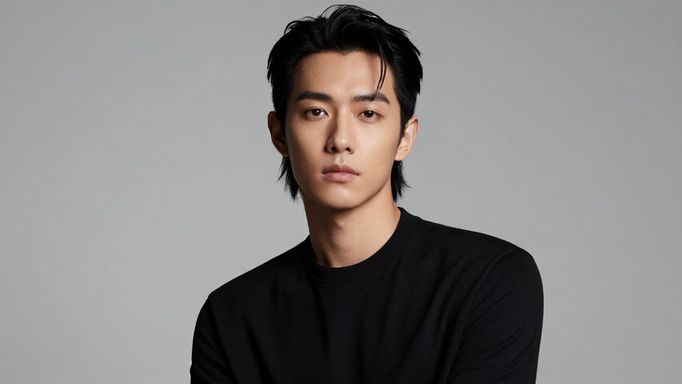
Executive Summary
This guide outlines the strategic shift in the AI influencer market for 2025, moving beyond simple static images to multi-modal digital personas. The core focus is on technical consistency, emotional resonance through AI-driven storytelling, and a diversified monetization framework that includes virtual commerce and brand integration.
What is Creating an AI influencer for brands?
The 2025 strategy for creating an AI influencer revolves around hyper-consistent visual branding using LoRA training and niche-specific community building. Brands must shift from generic avatars to high-fidelity characters with unique backstories, utilizing tools like Flux or Midjourney for imagery and Runway Gen-3 for video consistency.
The Rise of the Virtual Brand Ambassador
As of 2025, the shift from human-led to AI-integrated influencer marketing has moved from the fringes of experimentation to the heart of corporate boardroom strategy. The statistics are telling: the virtual influencer market is projected to reach a staggering $8.3 billion this year, growing at a CAGR of 38.4% through 2033. This growth is driven by an unprecedented adoption rate, with 92% of brands now using or actively open to using AI in their influencer workflows. Marketing professionals are no longer skeptical; 63% have already integrated AI and Machine Learning into their 2025 campaign planning. This is not just a trend; it is a structural reorganization of how brands communicate with their audiences.
Macro-Economic Shifts and Budget Allocation
Enterprises are voting with their wallets. Roughly 19% of companies now allocate over 40% of their total marketing budget to AI-driven initiatives. This high confidence level stems from the stability that digital ambassadors provide. Unlike human influencers, whose personal lives can become liabilities and whose schedules are finite, AI influencers offer a scalable, risk-free alternative that performs consistently across time zones and platforms.
AI Influencer Creation Workflow
- Character Concept: Define personality, niche, and aesthetic.
- Base Model Generation: Create initial high-res images.
- LoRA Training: Train a model for 100% facial consistency.
- Content Engine: Generate lifestyle images and video via AI.
- Engagement & Growth: Automated interaction and community management.
Core Trends Shaping AI Influence in 2025
1. Hyper-Personalization at Scale
In 2024, personalization meant using a customer’s name in an email. In 2025, AI influencers offer true ‘one-to-one’ engagement. Using real-time data streams and advanced Retrieval-Augmented Generation (RAG), these digital entities adapt their messaging, tone, and even physical appearance to individual viewer preferences. If a segment of a brand’s audience prefers a more formal technical explanation while another prefers a casual lifestyle approach, the AI influencer can pivot instantaneously, delivering a tailored experience to millions of users simultaneously.
2. Niche Specialization and Digital Experts
The era of the generalist ‘lifestyle’ influencer is fading. Brands are now pivoting toward highly specialized digital experts. We are seeing the rise of AI influencers dedicated to quantum computing, sustainable fashion engineering, or complex legal tech. These personas are built on deep-knowledge foundations, allowing them to build credibility in micro-segments where human experts might be too expensive or unavailable for constant engagement. This specialization ensures that the brand is perceived as a thought leader in its specific vertical.
3. Multimodal Real-Time Interaction
One of the most significant technological leaps in 2025 is the democratization of advanced neural rendering. AI influencers are no longer confined to pre-rendered videos. They now participate in live-streams, VR, and AR environments with near-zero latency. Using edge computing and sophisticated animation pipelines, a virtual ambassador can answer audience questions live on a 3D shopping platform, blurring the lines between digital content and physical reality. This real-time capability has led to a 30% higher engagement rate compared to traditional static content.
4. Ethical Labeling and Transparency Standards
Contrary to early fears that ‘fake’ influencers would alienate consumers, the 2025 landscape shows that transparency actually boosts trust. New global standards require explicit ‘AI-generated’ disclosures. When brands are honest about the nature of their ambassadors, it sets clear expectations and allows the audience to appreciate the creativity and utility of the persona. Consumers have proven that they value the content and the interaction more than the ‘biological’ status of the creator, provided the brand-consumer relationship is built on honesty.
The Economic Engine: Efficiency and ROI
The primary driver for enterprise adoption is the overwhelming cost-efficiency of digital personas. Traditional human influencer partnerships, especially with top-tier talent, can exceed $75,000 per post when considering fees, production costs, and travel. In contrast, AI-generated campaigns for similar reach average between $1,600 and $2,000 per asset. This represents a direct cost reduction of over 95% in many scenarios.
Production Speed and Operational Savings
Speed is the new currency of marketing. Companies utilizing AI platforms report content creation cycles that are 90% faster. By eliminating the need for physical shoots, hair and makeup, travel logistics, and location scouting, brands can respond to cultural moments in hours rather than weeks. Furthermore, virtual ambassadors offer 24/7 availability without the need for overtime pay or complex negotiation cycles. The ‘scandal risk’—the potential for a human influencer to engage in behavior that damages a brand—is eliminated, saving an estimated 15-20% in hidden management and crisis-mitigation costs.
Conversion Efficiency and A/B Testing
Because AI influencers are software-based, they are inherently more optimizable. Marketers can conduct massive A/B testing on a digital persona’s attributes—hair color, clothing, background, or voice cadence—to see what drives the highest conversion. In 2025, this data-driven optimization has led to a 28% higher conversion rate. The ability to instantly pivot based on real-time audience sentiment ensures that the campaign is always performing at its peak potential.
Monetization Funnel
Awareness (Social Media) → Trust (Consistent Storytelling) → Conversion (Affiliates, Digital Goods, Brand Deals)
Steps to Creating a High-Performance AI Influencer
Phase 1: Persona Architecture and Niche Selection
The first step is not technical, but strategic. Brands must define the ‘soul’ of the AI influencer. This involves selecting a niche that aligns with the brand’s long-term objectives. Whether it is a sustainable materials expert or a futuristic streetwear icon, the persona must have a backstory, a consistent set of values, and a unique visual identity that distinguishes it from generic avatars.
Phase 2: Technical Stack Integration
The 2025 tech stack typically involves three layers: the Generative Engine (for visual assets), the Cognitive Engine (an LLM tailored to the brand’s voice), and the Animation Layer (neural rendering for video and live-stream). Using platforms like Unreal Engine 5 or proprietary neural networks, brands can create digital humans with photorealistic skin textures and fluid movement. This phase also includes the integration of real-time data feeds to allow the AI to ‘know’ what is happening in the world and respond accordingly.
Phase 3: Community Building and Ethical Disclosure
Once the influencer is live, the focus shifts to engagement. Unlike human influencers who might only reply to a few comments, an AI influencer can reply to thousands of comments in seconds, maintaining a consistent brand voice. During this phase, clear ethical labeling is implemented to ensure compliance with 2025 transparency regulations, fostering a community built on trust and technological innovation.
📚 Complete Your Knowledge Journey
This guide is part of a larger ecosystem. Explore these related advanced topics:
💡 Key Strategic Takeaways
- Technical Consistency: Use Flux and LoRA for identical facial mapping across all content.
- Platform Diversification: Deploy characters across TikTok (video-first) and Instagram (aesthetic-first).
- Ethical Transparency: Implement ‘AI-Generated’ disclosures to build long-term audience trust.
- Hybrid Content: Mix AI visuals with human-written narratives to enhance emotional connection.
Frequently Asked Questions
How do you ensure an AI influencer looks consistent across different posts?
Maintaining visual consistency in 2025 is achieved by training a Custom LoRA (Low-Rank Adaptation) model on a specific face and body type, ensuring the character looks identical across various environments and poses.
What are the legal requirements for AI influencers?
Legal requirements in 2025 mandate clear disclosure using hashtags like #AI or platform-specific labels. Additionally, brands must ensure they own the intellectual property rights to the generated model to avoid copyright disputes.
How do AI influencers generate revenue?
Primary monetization strategies include high-ticket brand sponsorships, affiliate marketing through virtual try-on features, selling digital products (like presets or 3D assets), and launching AI-driven SaaS tools.
Ready to launch your brand’s virtual face?