⚡ Executive Summary
Riyadh’s property market is currently experiencing a ‘Violent Repricing’ rather than a speculative bubble. Unlike the 2008 global crash driven by toxic leverage, Riyadh’s surge is underpinned by a massive structural supply-demand imbalance, the Regional Headquarters (RHQ) mandate, and sovereign-backed liquidity. While specific micro-markets (specifically North Riyadh) may see a price plateau or mild correction as supply creates friction, the macro trend remains upward due to the Vision 2030 demographic expansion targets. This article dissects the anatomy of the surge, the risks of affordability, and the long-term outlook for investors.
The Crane, The Dust, and The Doubters
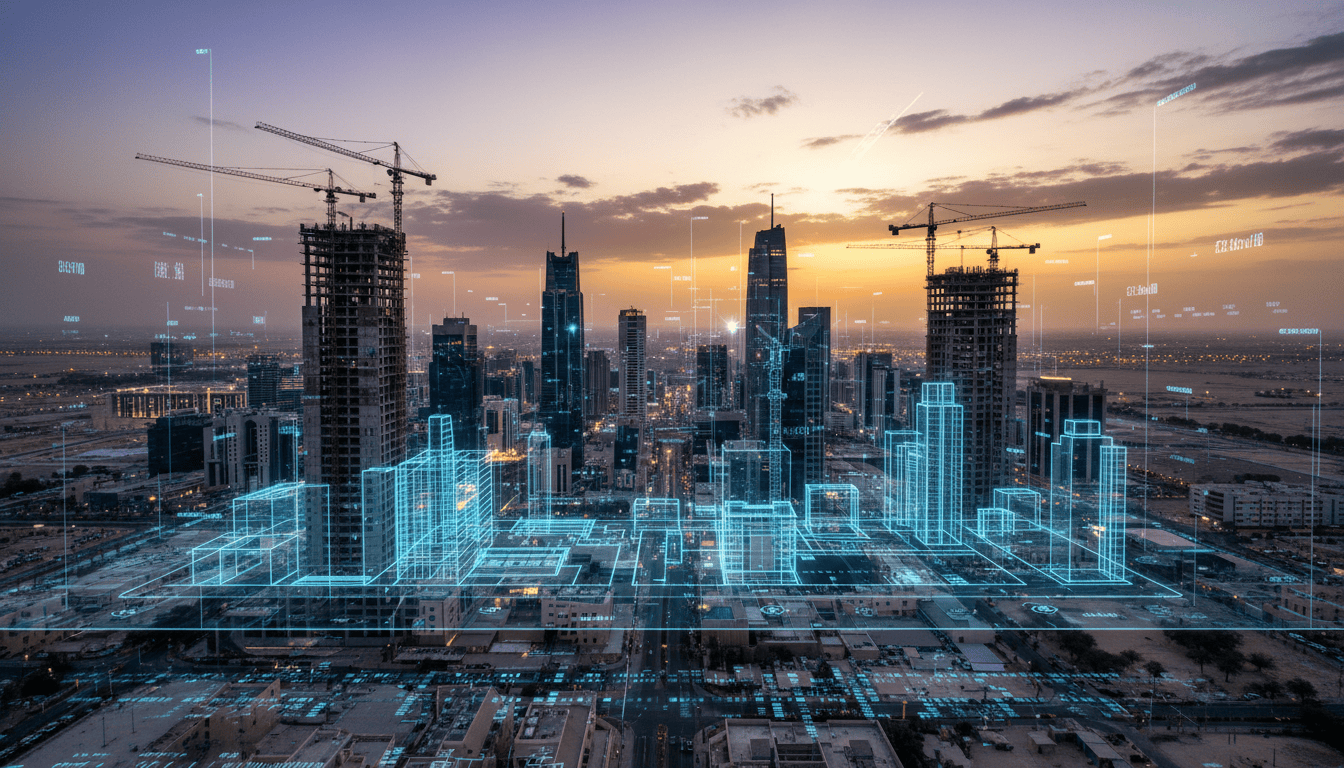
Walk through the district of Al Malqa or Al Narjis in North Riyadh, and you can practically hear the valuation models breaking. Plots of land that were traded for 2,000 SAR per square meter a few years ago are now changing hands at 8,000 or 10,000 SAR. To the casual observer, this smells like 2008. It looks like exuberance. It feels like a bubble.
But to call Riyadh’s current market trajectory a "bubble" is to fundamentally misunderstand the mechanics of what is happening in the Kingdom. A bubble implies a psychological mania detached from reality, fueled by cheap debt, destined to pop when the music stops. What is happening in Riyadh is not a mania; it is a mandate.
We are witnessing a state-sponsored repricing of the capital city of the G20’s fastest-growing economy. However, that doesn’t mean the water isn’t dangerous. Let’s strip away the hype and look at the structural bones of this market.
The Anatomy of a Bubble vs. The Riyadh Reality
To understand if Riyadh is in trouble, we have to look at the ingredients of a crash. Historically, real estate bubbles require three things: rampant leverage (people buying homes with 0% down), speculative flipping (buying to sell in a month), and an oversupply of useless inventory.
Riyadh has none of these.
1. The Leverage Myth
The Saudi mortgage market has grown, yes, spurred by the Real Estate Development Fund (REDF). But compare the household debt-to-GDP ratio of Saudi Arabia to markets like Canada or Australia. It remains conservative. A vast portion of transactions, particularly in the land sector, are cash-settled or backed by substantial equity. We aren’t seeing waitresses buying five villas with zero credit checks.
2. The Demand Shock
This is the clincher. The Saudi government isn’t just hoping people move to Riyadh; they are forcing the issue. The Regional Headquarters (RHQ) program, which mandates that multinational corporations move their HQs to Riyadh or risk losing government contracts, has created an artificial yet sticky demand floor. You have an influx of C-suite executives and high-income expats chasing a limited supply of ‘livable’ western-standard housing.
The North Riyadh Phenomenon: A Micro-Bubble?
If there is a bubble, it is localized. North Riyadh has become the ‘Golden geometric shape’ of speculation. This is where the New Murabba, the Mukaab, and the Expo 2030 sites are planned. Speculators front-ran the government announcements.
Here, prices have likely outpaced immediate utility. A plot of sand priced as if the metro is already running and the Mukaab is open is a risky hold in the short term. We may see a plateau here—a period where prices stagnate for 2-3 years while the infrastructure catches up to the valuation. But a crash? Unlikely. The Sovereign Wealth Fund (PIF) is the developer, the anchor tenant, and the mortgage backer. They will not let the floor fall out from under their flagship district.
The Affordability Crisis: The Real Risk
The danger to Riyadh isn’t a price crash; it’s a volume freeze. As prices detach from average local incomes, transaction volumes in the residential sector have already started to cool. When a standard apartment costs 15x the annual salary of a mid-level manager, the market hits a friction point.
The government is aware of this. This is why we are seeing the rapid mobilization of ROSHN and National Housing Company (NHC) projects. Their goal is to inject massive supply to cap prices, not crash them. They want a manageable incline, not a vertical wall.
The Supply Lag Super-Cycle
Real estate is a slow ship. You cannot 3D print a luxury community overnight. We are currently in the ‘Supply Lag.’ The demand (people) arrived in 2023-2024. The supply (quality units) won’t hit the market in bulk until 2026-2027.
During this two-year window, landlords are kings. Rents will remain punitively high, and asset values will hold. The ‘Bubble’ talk will persist because the prices seem irrational, but scarcity is irrational.
Verdict: Not a Bubble, But a Transformation
If you are waiting for Riyadh property prices to drop 40% so you can buy in, you will likely be waiting a very long time. You might see a 5-10% correction in overheated fringe plots, or a stagnation in luxury villas, but the trajectory is aligned with Vision 2030.
Riyadh is transforming from a sprawling desert town into a global metropolis. Global metropolises—London, New York, Singapore—are expensive. Riyadh is simply catching up to its new peers.
The Bubble Diagnostic Matrix
A comparative framework analyzing Riyadh’s current market indicators against historical bubble precedents.
| Stage / Phase | Indicator | Typical Bubble Signal | Riyadh Current Status (2024) | Risk Level |
|---|---|---|---|---|
| undefined | ||||
| undefined | ||||
| undefined | ||||
| undefined |
Decision Matrix: When to Adopt
Frequently Asked Questions
Will Riyadh real estate prices crash in 2025?
Highly unlikely. While transaction volumes may slow due to affordability constraints, the government’s heavy investment in infrastructure (Metro, Expo 2030) and the influx of expats for the RHQ program provide a strong safety net against a crash.
Is it better to buy in North or South Riyadh?
North Riyadh offers higher capital appreciation potential but comes with a steep entry price and lower immediate rental yields. South Riyadh offers better affordability and higher immediate rental yields but slower capital appreciation.
How does the RHQ program affect property prices?
It drives demand for ‘Grade A’ residential and commercial real estate. High-income executives relocating to Riyadh require high-quality housing, which is currently in short supply, pushing up rents and sale prices in premium districts.
Is the Saudi mortgage market overheated?
Mortgage uptake has exploded, but it is heavily regulated by SAMA (Saudi Central Bank). The Loan-to-Value (LTV) ratios and debt-burden limits are strict, preventing the kind of toxic lending that caused the 2008 US crisis.
What is the role of ROSHN in the market?
ROSHN (backed by PIF) acts as a market stabilizer by introducing large volumes of high-quality, integrated community housing. Their massive supply pipeline is designed to address the affordability crunch and prevent prices from spiraling out of control.
Navigate the Riyadh Boom
Don’t guess with your capital. Access our Sovereign Market Analysis for a district-by-district breakdown of Riyadh’s investment hotspots.